
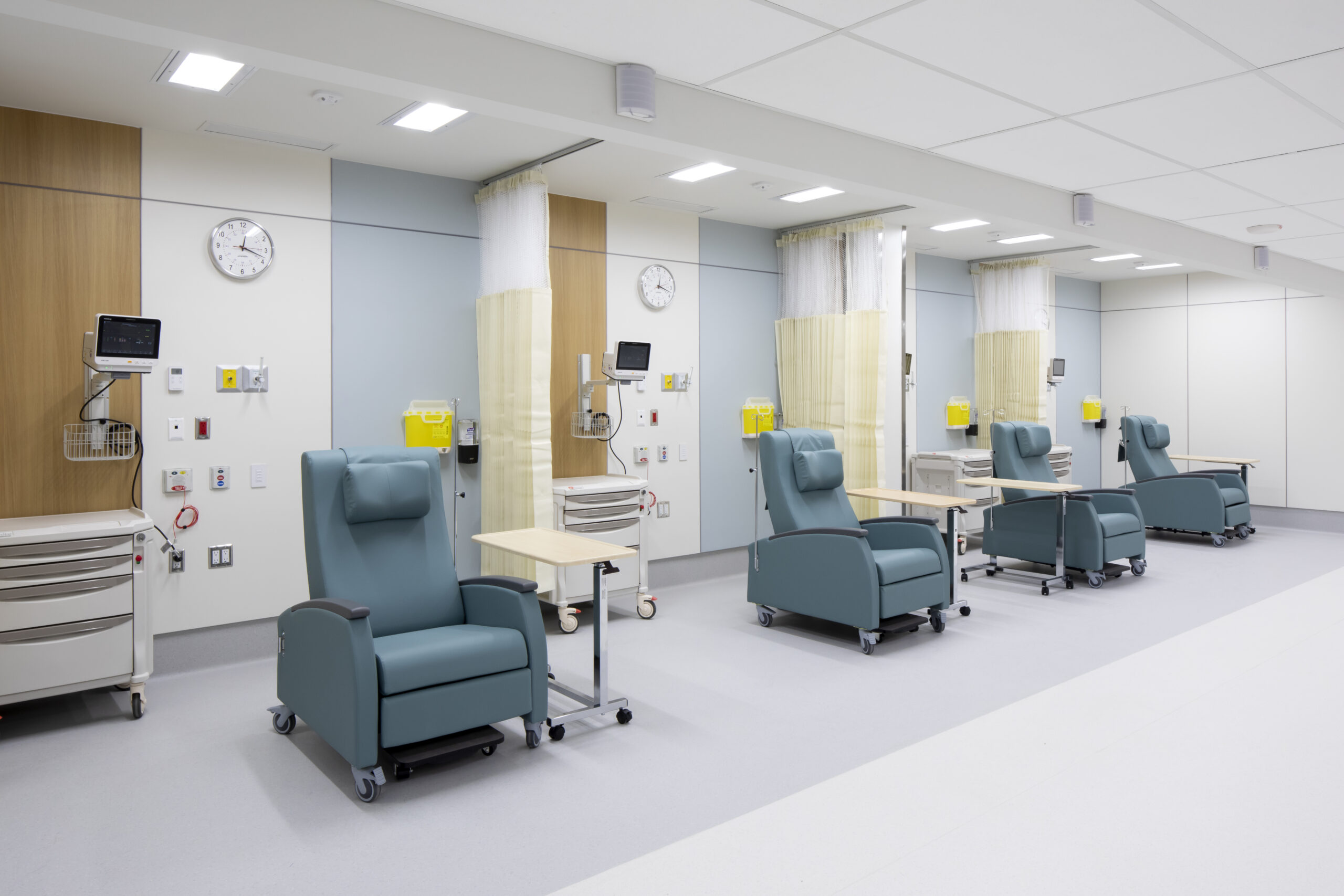
Healthcare environments are built to support healing, safety, and continuous care. Yet many hospitals and patient care facilities are still being constructed using interior systems that were never designed for the operational realities of modern healthcare.
For decades, drywall has been accepted as the standard approach to interior construction. It is familiar, widely specified, and deeply embedded in conventional construction practices. But as healthcare environments continue to evolve, the limitations of drywall are becoming harder to ignore.
Today’s healthcare facilities demand adaptable environments that can support changing technologies, evolving care models, ongoing maintenance, infection prevention protocols, and continuous operation without repeated disruption. Conventional drywall construction was never designed for that level of performance.
Industry conversations around infection control, lifecycle cost, operational continuity, and future adaptability are increasingly challenging long-standing assumptions about conventional interior construction. Insights from President of Iannone Innovative Solutions, Mike Iannone, in his whitepaper, The Implications of Drywall in Healthcare Construction, reinforce what many healthcare organizations are already experiencing firsthand: systems that rely on demolition, dust, patching, and repeated disruption are becoming increasingly difficult to justify in active patient care environments.
With more than 30 years of experience across architecture, design, and construction, Iannone specializes in interior construction, acoustic privacy, and modern methods of construction. As a consultant to Falkbuilt, he supports initiatives focused on advancing smarter, more integrated approaches to the future of interior construction.
Healthcare environments never stand still
Hospitals are constantly evolving. Patient needs change. Medical technologies advance. Departments expand and reconfigure. Infrastructure requires maintenance and upgrades. In conventional drywall construction, nearly every change introduces disruption.
Accessing plumbing, electrical, medical gas, or data systems often requires cutting into finished walls, triggering demolition, containment procedures, sanding, repainting, terminal cleaning, and operational shutdowns before spaces can safely return to service. Even relatively small repairs can take rooms offline and interrupt patient care workflows.
As Townsen Health owner Rick Garcia shared during a recent healthcare project discussion, “We were able to pop off the wall, fix the leak, and be back up in 20 minutes. We probably saved half a million dollars right there.” The Townsen project demonstrated how Falkbuilt’s successful execution and digitally coordinated approach helped create a healthcare environment designed not only for initial construction efficiency, but for long-term operational performance and easier ongoing maintenance. In conventional drywall environments, even minor maintenance issues can escalate into lengthy repair cycles and operational downtime.
Garcia estimates the project will see approximately 65% savings in maintenance costs through Falkbuilt’s accessible interior components and digitally coordinated approach. What was once accepted as routine maintenance is increasingly being recognized as a significant operational challenge in healthcare environments where uptime matters.
Drywall was never designed for continuous healthcare operations
In healthcare environments, walls are not static. They are constantly being accessed, repaired, upgraded, patched, modified, and reconfigured as technologies and patient care needs evolve. But conventional drywall construction was never intended to support that level of ongoing adaptation.
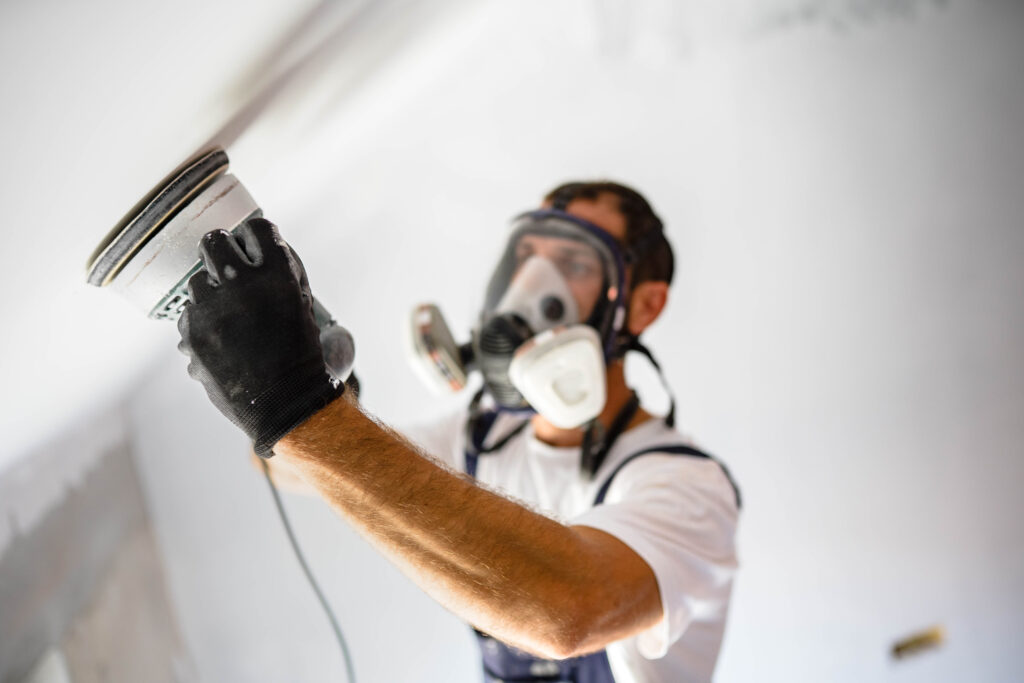
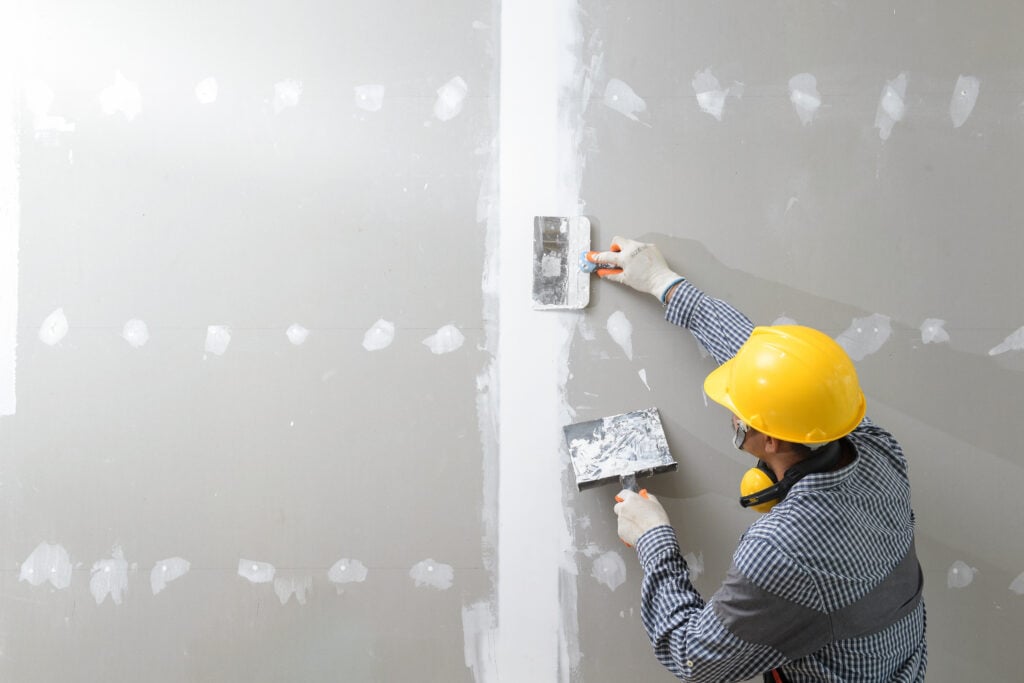
Every time drywall is cut, patched, sanded, or demolished inside an active healthcare facility, it introduces disruption. In environments focused on healing, dust is not simply a housekeeping issue. It is a patient safety concern.
The CDC has identified construction dust as a vector for harmful pathogens in healthcare facilities, while ASHE’s updated ICRA 2.0 guidelines recognize drywall dust as a serious infection-control risk within patient care environments. At the same time, industry research continues to show that nearly 30% of conventional construction rework stems from coordination conflicts and field changes, creating additional waste, delays, operational disruption, and avoidable cost throughout the lifecycle of a facility.
Healthcare organizations are increasingly recognizing that interior systems dependent on demolition, containment procedures, and repeated renovation cycles are fundamentally misaligned with the operational realities of modern patient care.
Healthcare facilities need to be built for change
Healthcare environments are frequently described as “future-ready”, but true adaptability requires more than flexible planning. It requires interior solutions designed to evolve without repeated demolition and disruption.
Facilities need environments that support:
- Faster maintenance access
- Infrastructure upgrades without shutdowns
- Reduced disruption during renovations
- Improved operational continuity
- Long-term flexibility as care models evolve
Interior construction should support change, not prevent it.


A better approach to interior healthcare construction
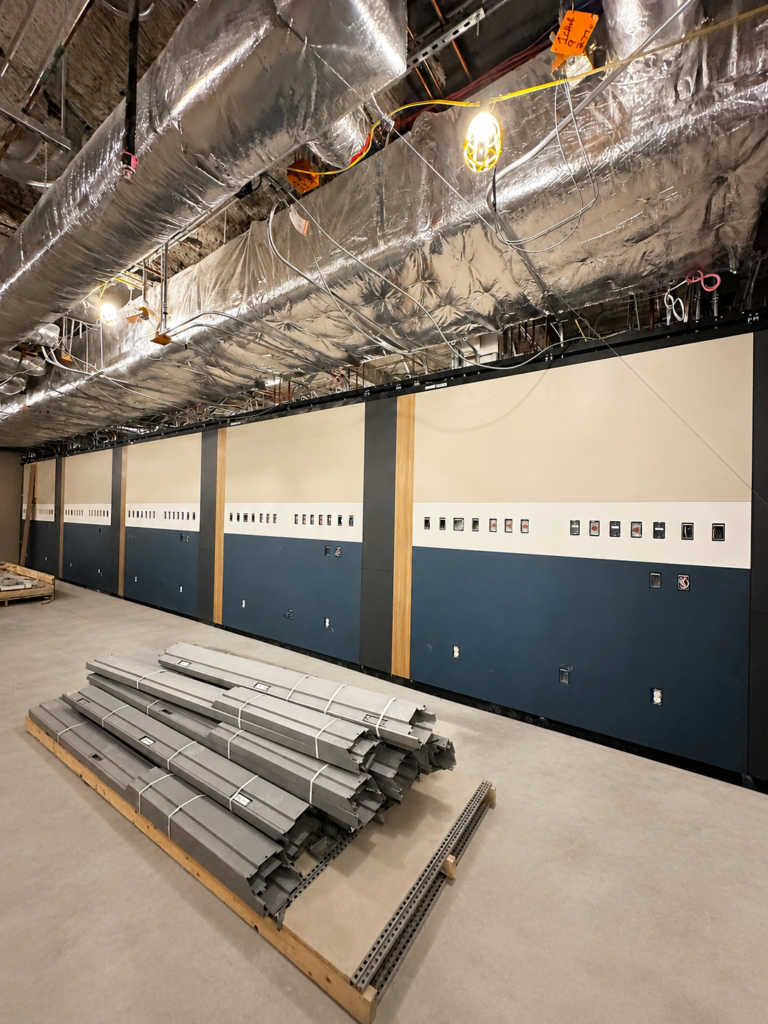
Falkbuilt’s Digital Component Construction was designed specifically to address the long-term operational realities of healthcare environments. Rather than relying on static assemblies that require demolition to adapt, Falkbuilt digitally coordinates interior components through Echo technology, helping healthcare organizations reduce disruption while improving flexibility, maintainability, and long-term performance.
Coordinated through Echo
Echo digitally connects design, manufacturing, and installation into a single coordinated workflow, helping reduce rework, improve collaboration, and bring greater certainty throughout the construction process.
Built for healthcare performance
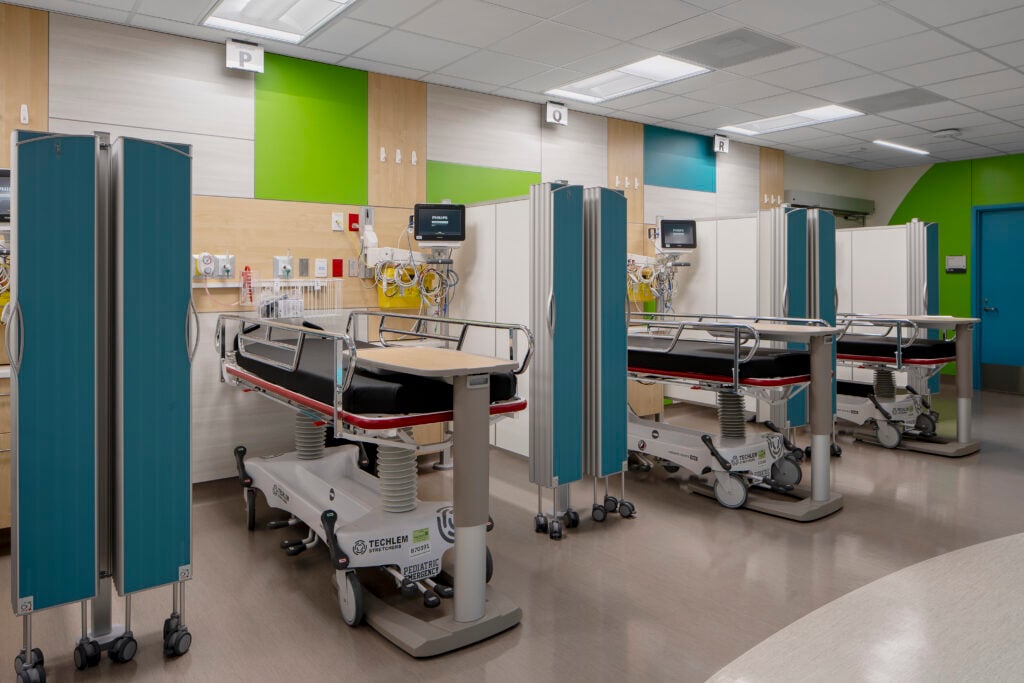
McNally Solid Walls deliver the durability, acoustic performance, and cleanability required in demanding healthcare environments without the fragility associated with conventional drywall systems.
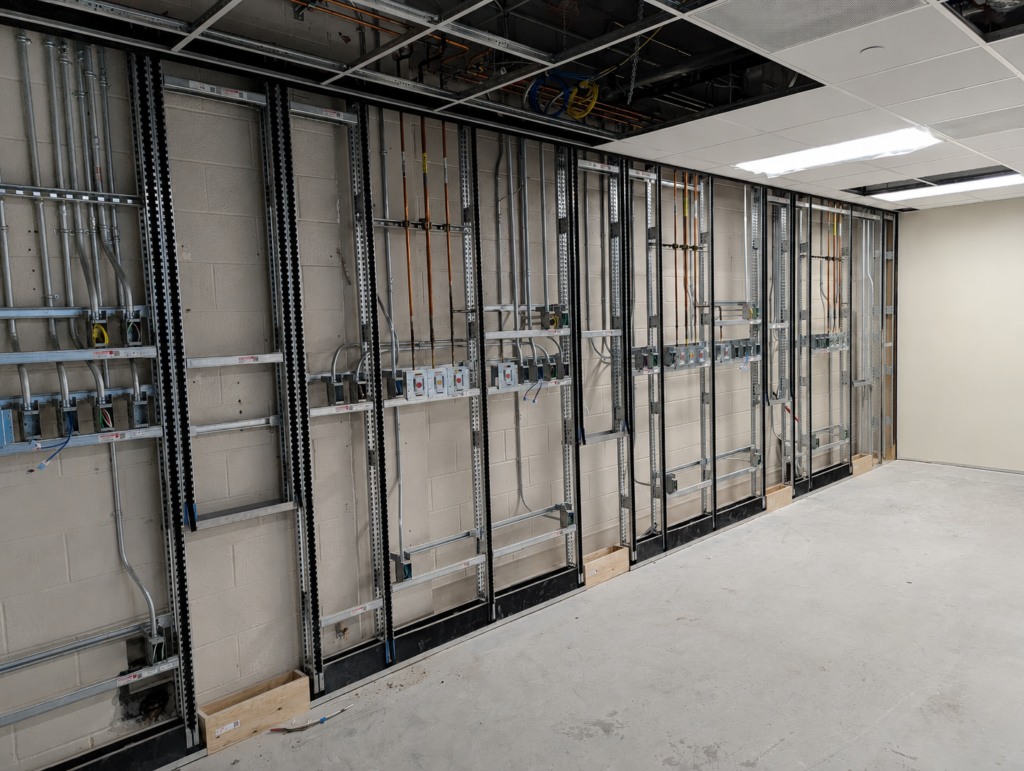
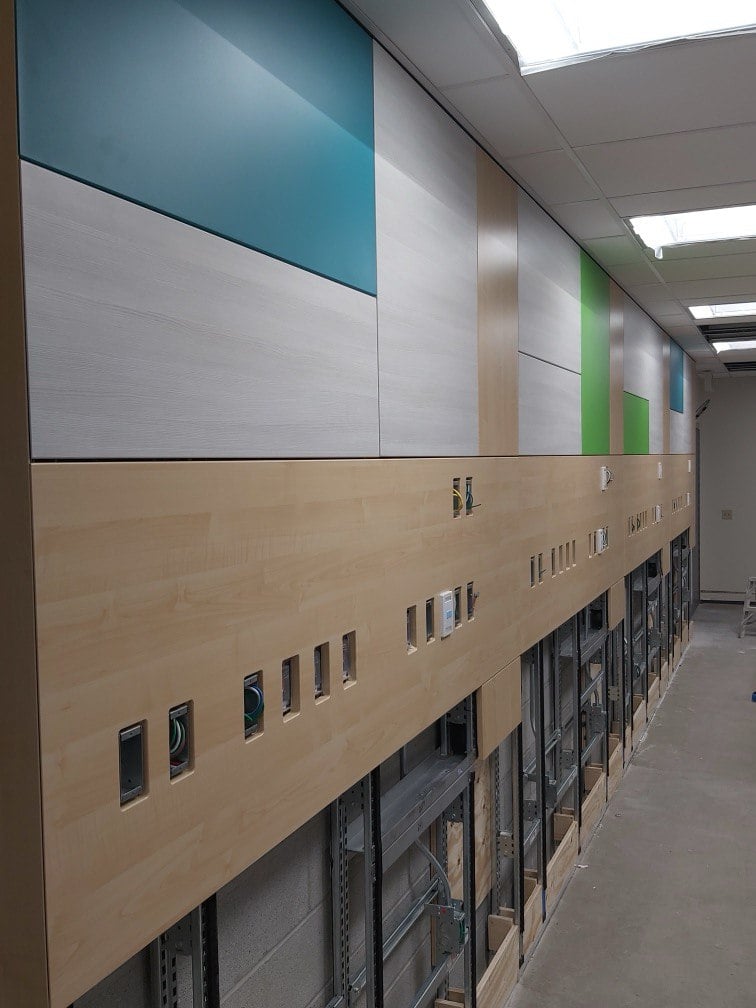
Accessible infrastructure without demolition
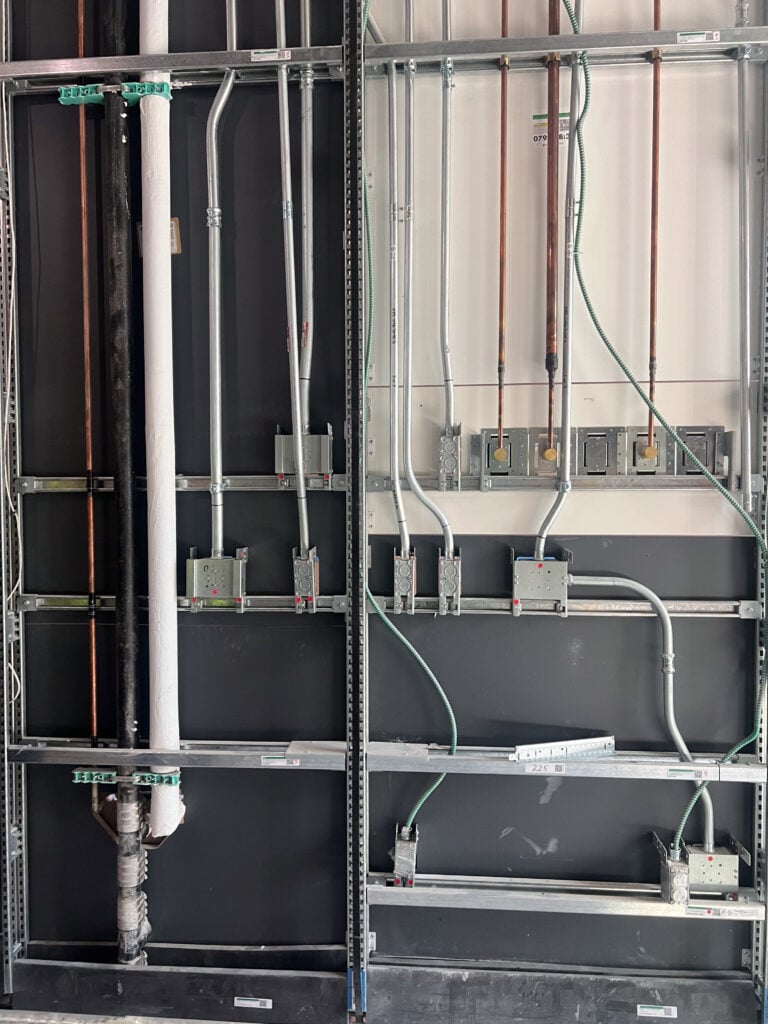
Integrated headwall and infrastructure solutions allow future access to power, plumbing, data, and medical gas systems without major demolition or prolonged operational disruption.
Built for continuous change
Healthcare environments never stop evolving. Falkbuilt’s digitally coordinated interior solutions are designed to support ongoing maintenance, infrastructure access, upgrades, and reconfiguration with significantly less disruption, helping facilities adapt without repeated demolition, dust, and downtime.

Interior construction is a patient safety decision
Interior construction is often treated as a technical specification or budget consideration, but in healthcare environments, it carries far greater implications. The materials and construction methods used throughout a facility directly affect infection prevention, operational continuity, maintenance, adaptability, and ultimately, patient care itself.
Healthcare environments are built to support healing, but too often, the interior construction methods behind them introduce disruption, dust, downtime, and operational challenges that directly conflict with that mission. Today’s healthcare facilities need interiors designed for continuous adaptation, safer maintenance access, and long-term operational performance as technologies, infrastructure, and patient care continue to evolve.
The future of healthcare construction requires more than faster building methods. It requires interior environments designed to adapt, perform, and evolve alongside the people who rely on them every day.